

















Laser cutting services have become increasingly popular in the manufacturing industry in recent years. It is an efficient, precise, and versatile cutting technology that can be used on various materials, including metals, plastics, wood, and textiles. If you are interested in starting a laser cutting business, here are the key factors you need to consider:
1. Laser cutting equipment:
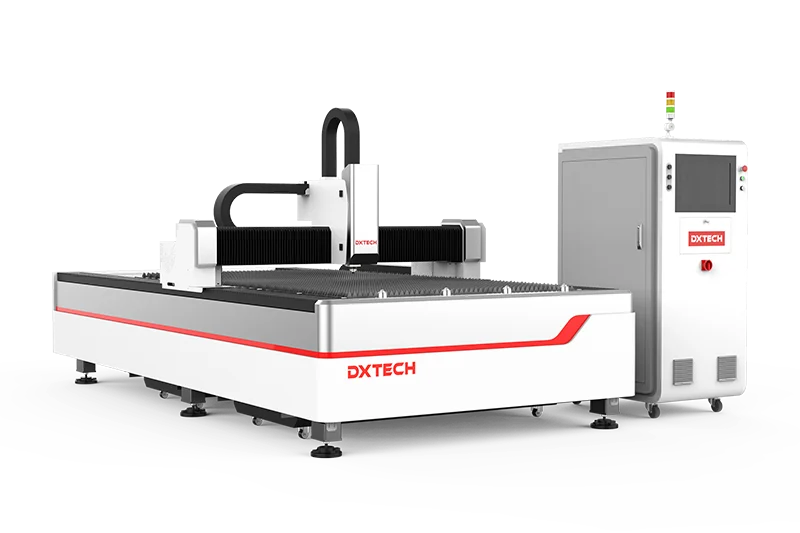
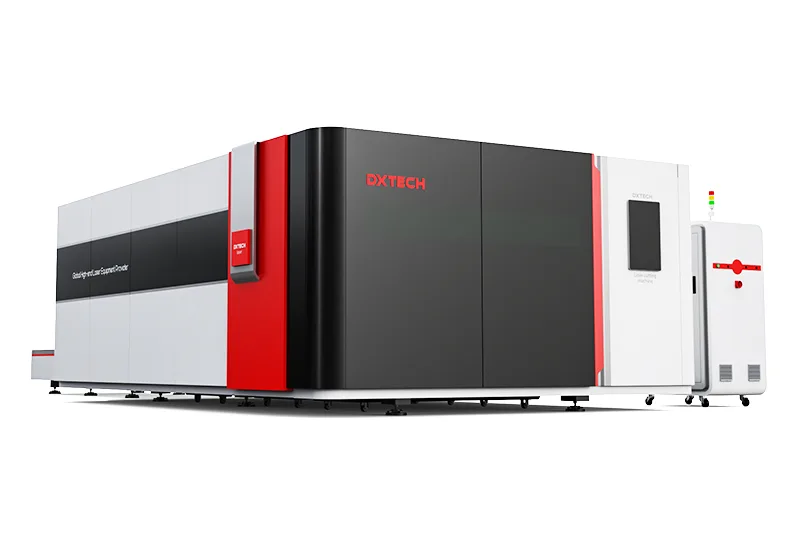
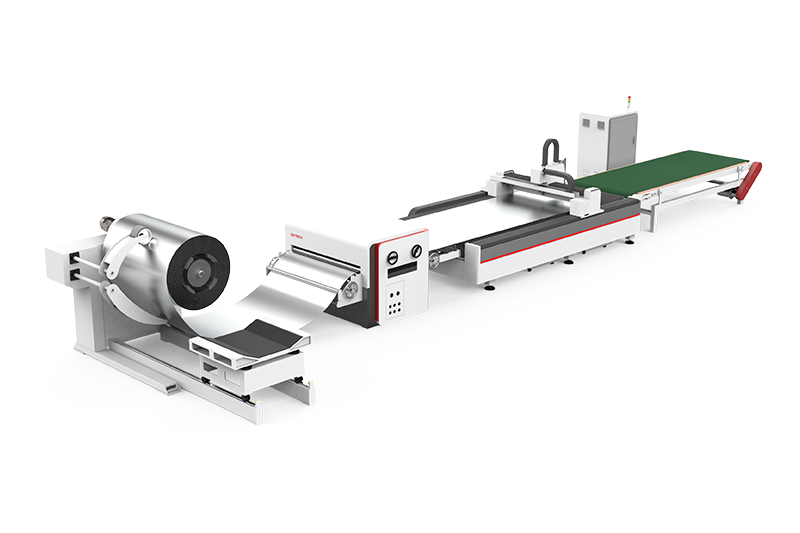
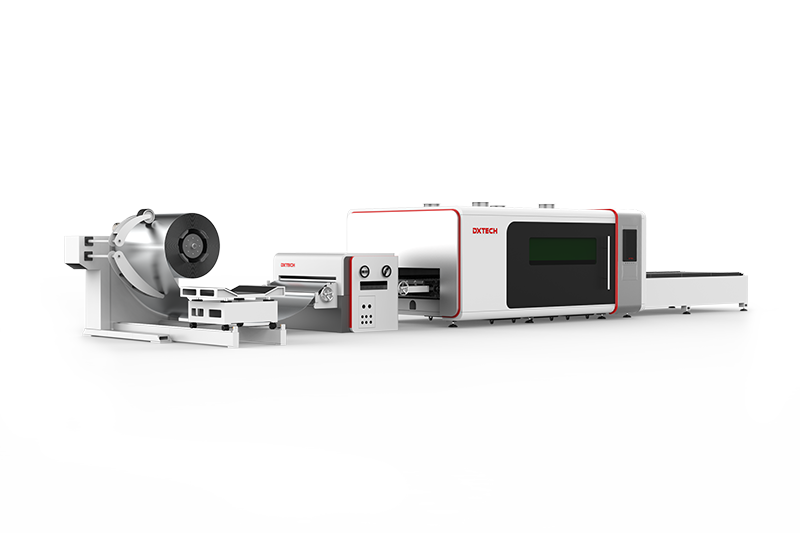
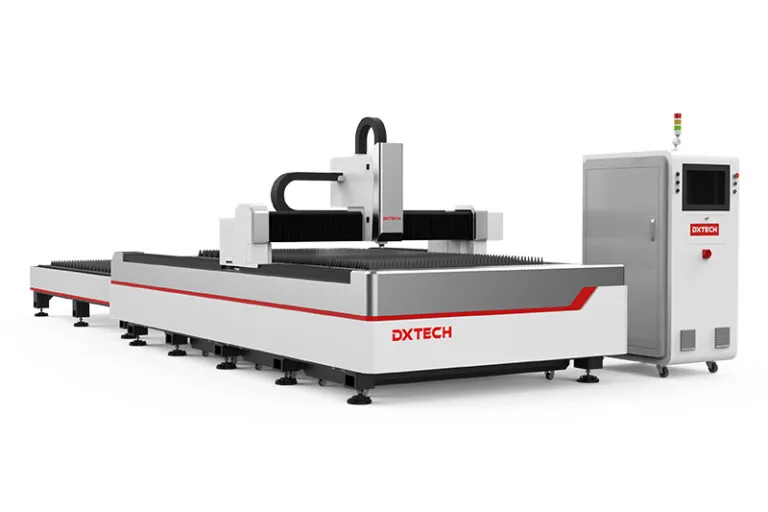
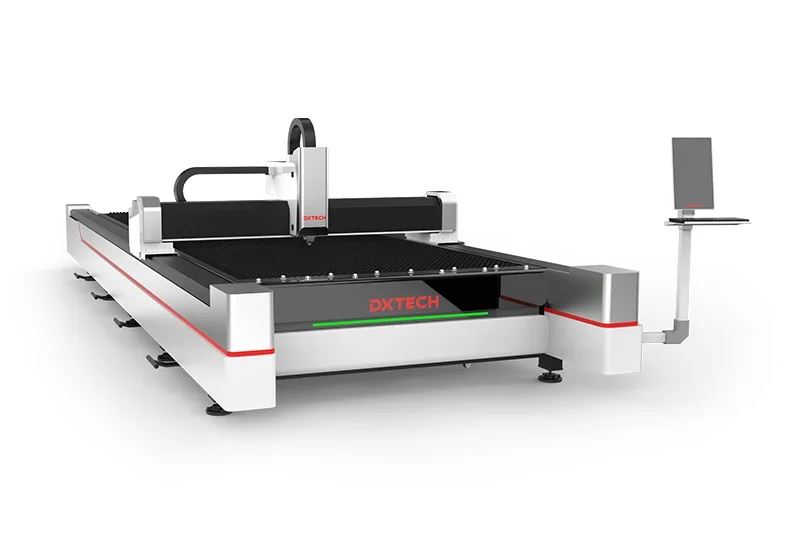
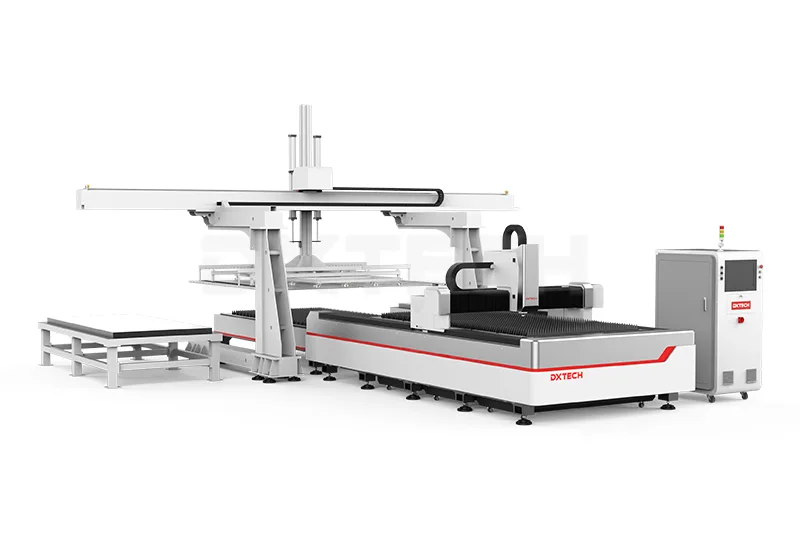
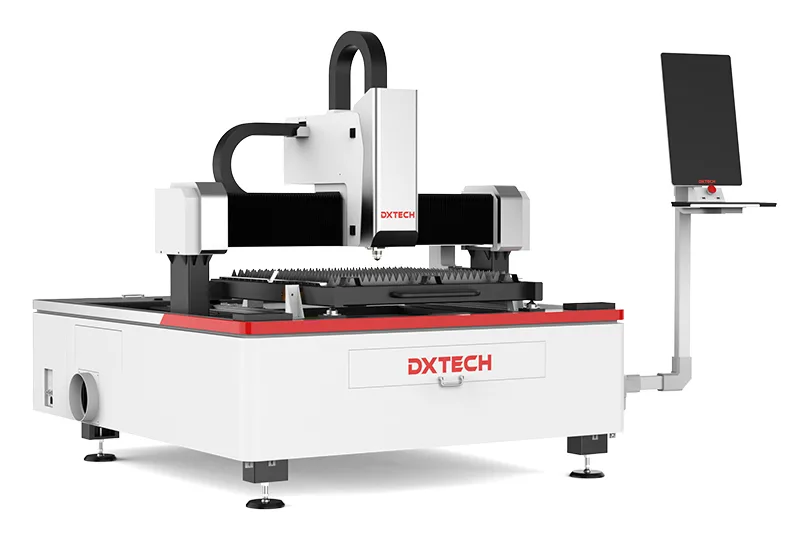
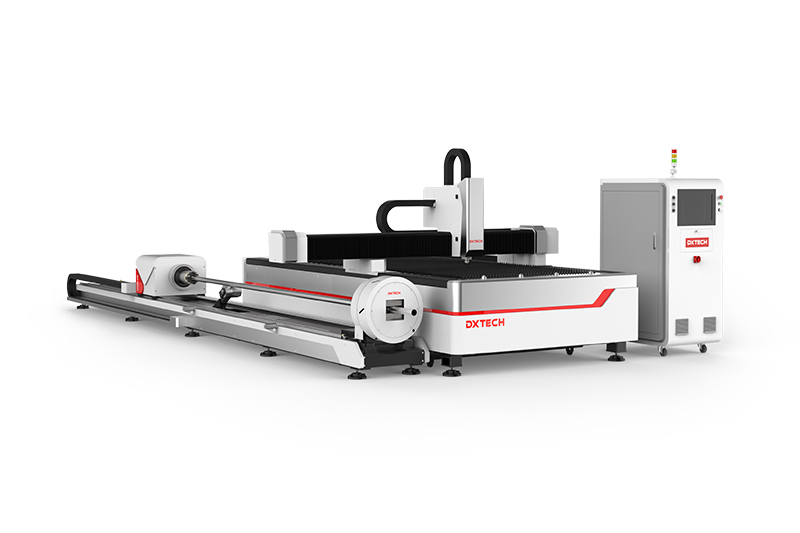
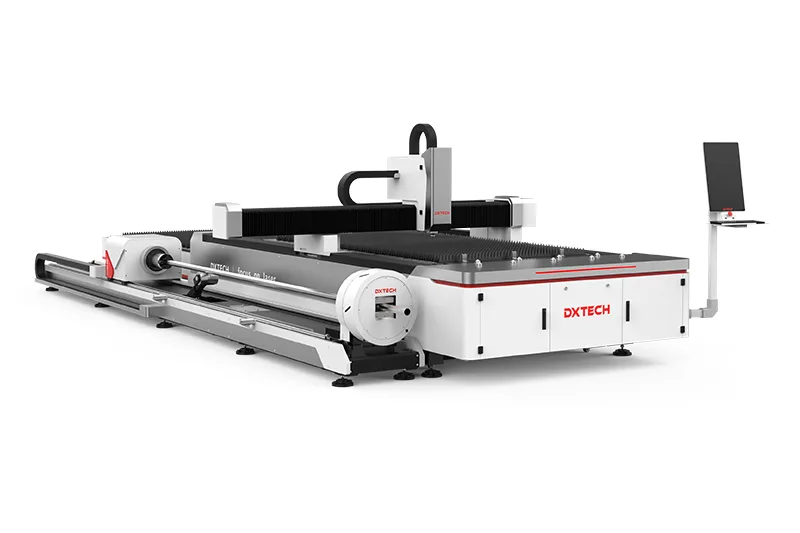
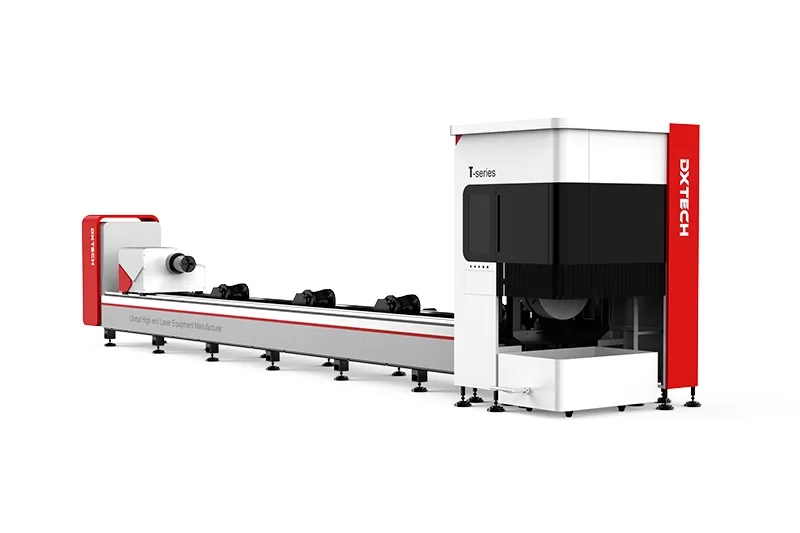
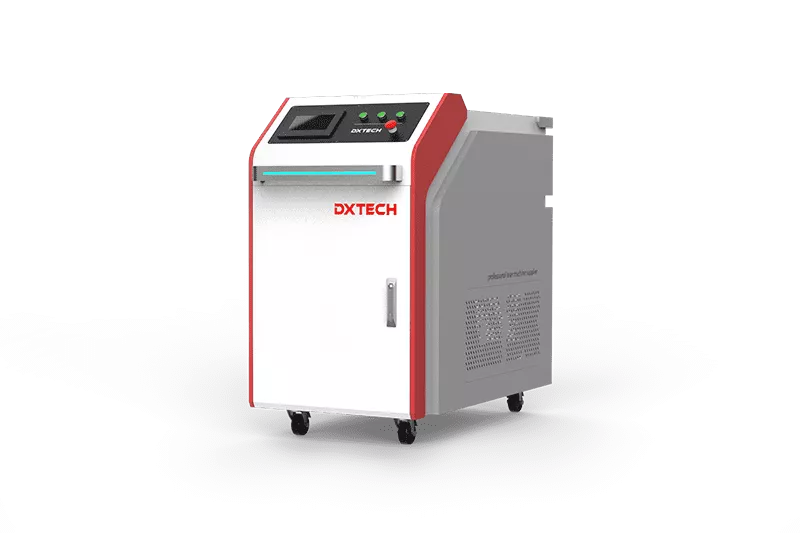
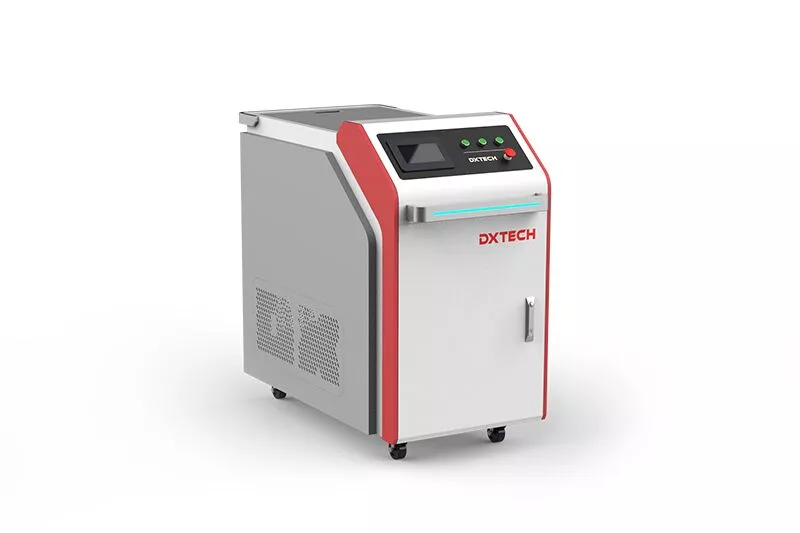
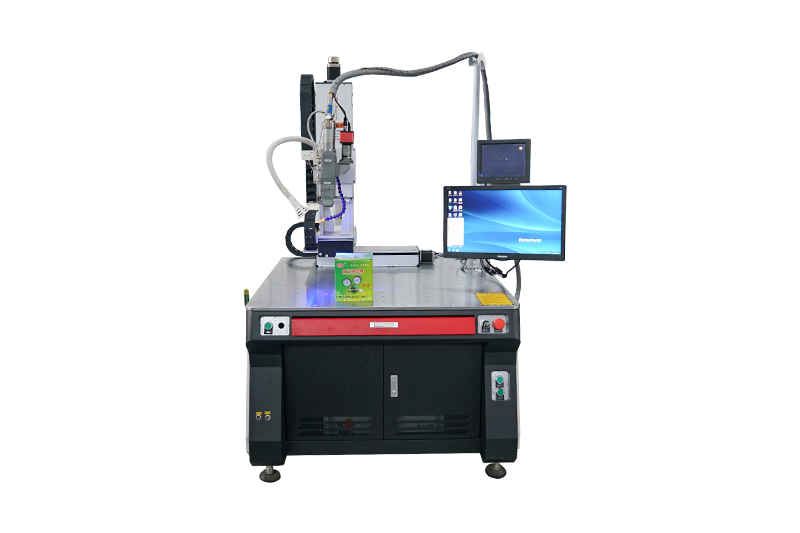
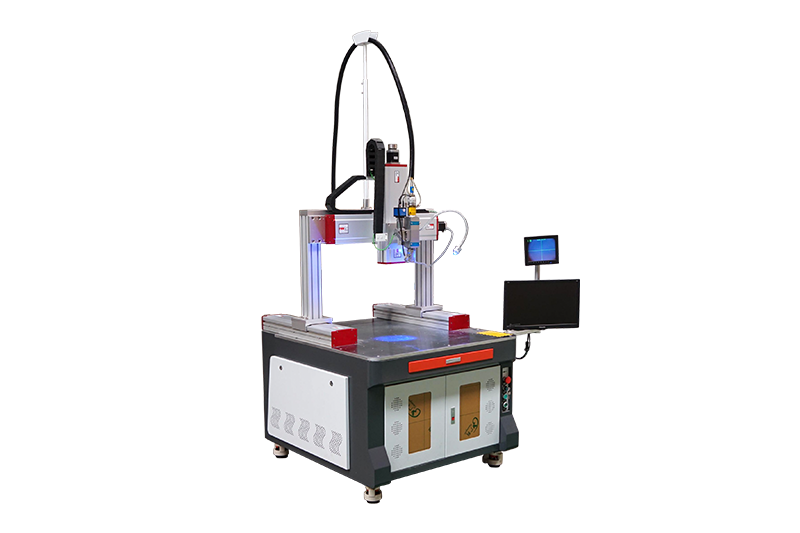
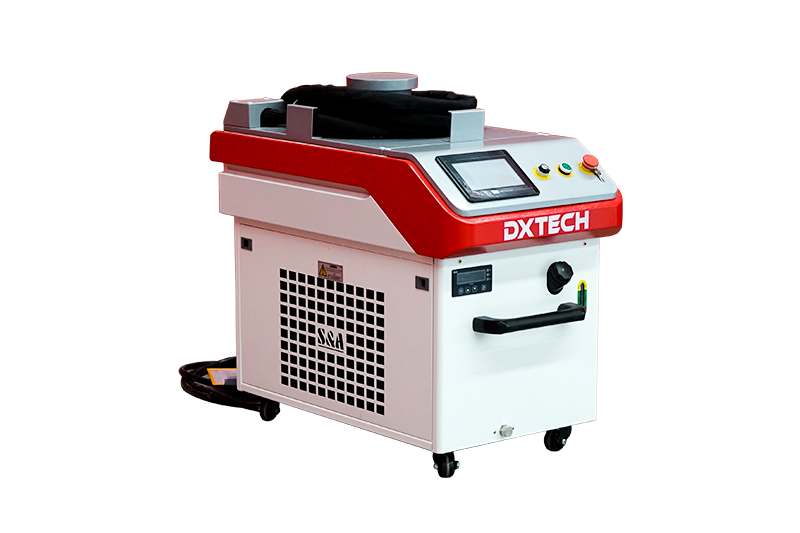
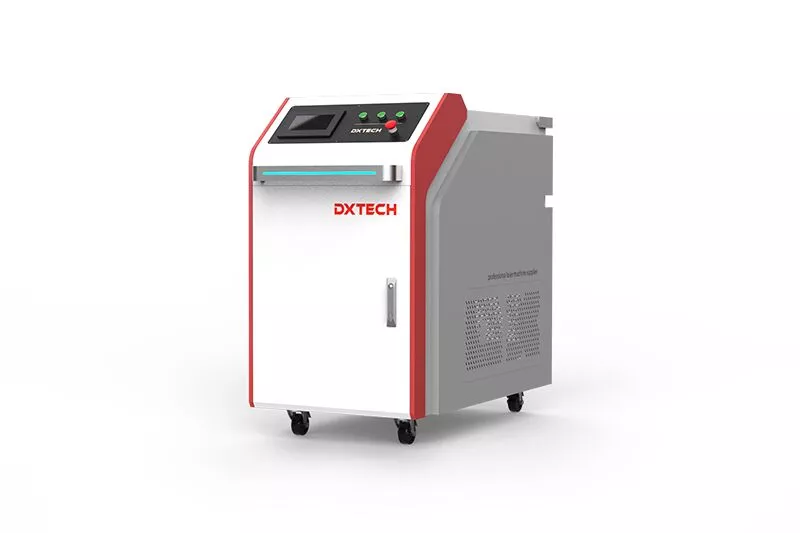
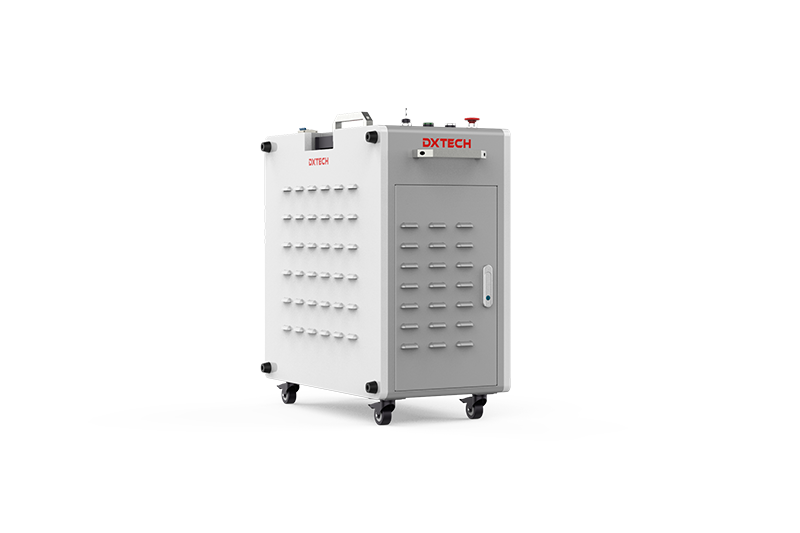
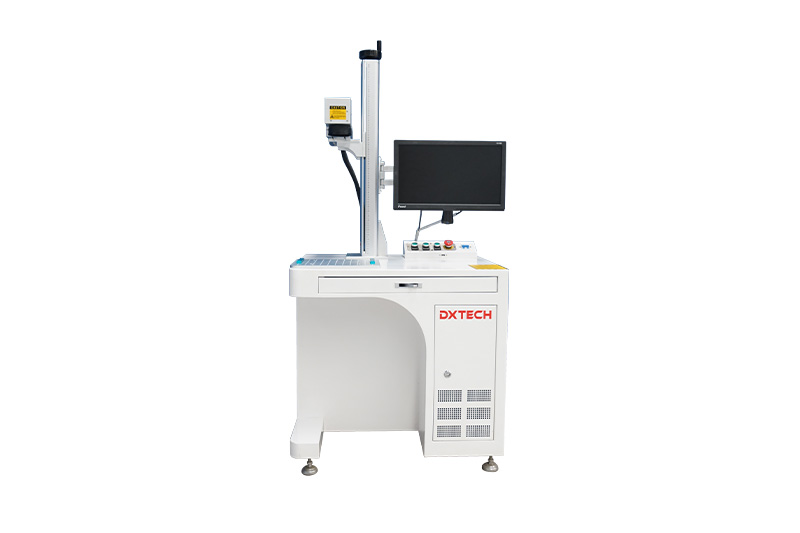
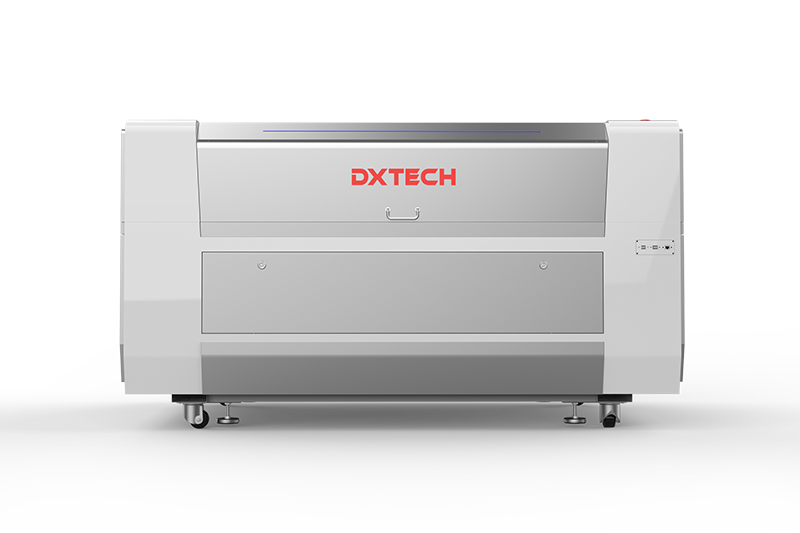
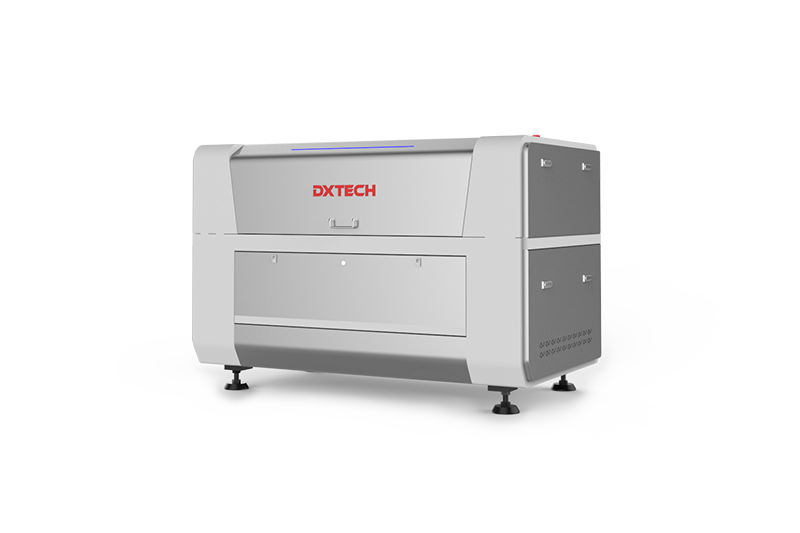
The first and foremost requirement is a laser cutting machine. There are typically two types of machines: CO2 laser engraving machine and fiber laser cutters. CO2 laser engraving machine are suitable for cutting non-metal materials such as wood and plastic, while fiber laser cutters are ideal for metal cutting. Choose the type of machine that aligns with your business needs.
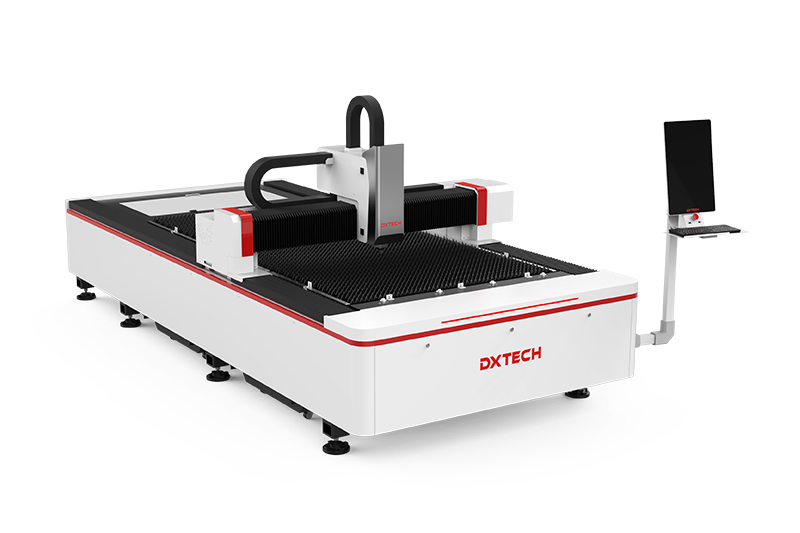
Fiber laser cutting machine
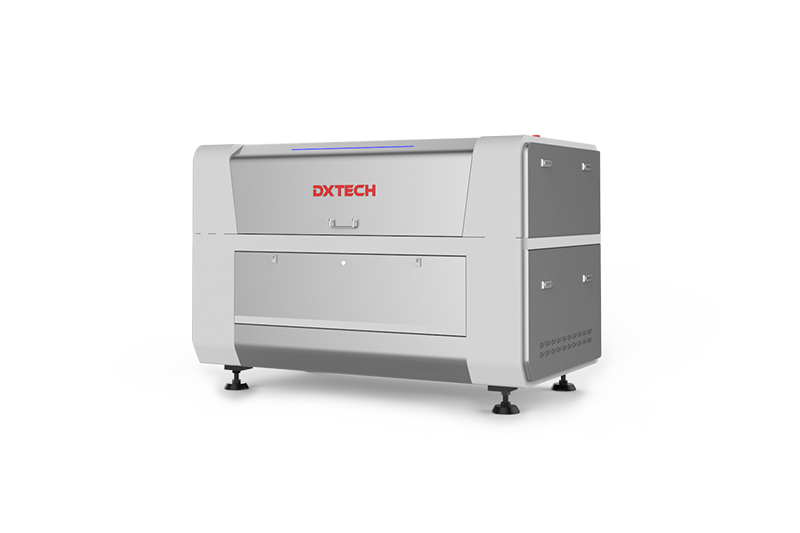
CO2 laser engraving machine
2. Software and computer:
Laser cutting machines are usually connected to a computer and controlled using specialized cutting software. You need to invest in software that is compatible with your chosen laser cutter and ensure you have a powerful computer to run it effectively.
3. Material supply:
Consider your material supply needs for laser cutting. Collaborate with suppliers to source the required materials such as metals, plastics, and woods for cutting. Establish partnerships with reliable suppliers to ensure timely delivery of high-quality materials.

4. Safety equipment:
Laser cutting involves high-power laser beams, so safety should be a top priority. Make sure your workspace is equipped with appropriate safety gear such as laser safety glasses, protective enclosures, and fire alarm systems. Additionally, provide necessary training to your employees to ensure they know how to operate the equipment correctly and follow safety protocols.
5. Marketing:
Before launching your laser cutting business, develop a marketing plan. Identify your target customer base and utilize suitable marketing strategies to promote your business. Establish a professional website, leverage social media platforms for advertising, and participate in relevant industry exhibitions to effectively market your services.
6. Professional knowledge:
Acquire in-depth knowledge about laser cutting techniques, materials, and industry trends. Stay updated with the latest advancements and continuously enhance your skills to offer cutting-edge solutions to your customers.
Remember that starting a laser cutting business requires a significant investment of time, effort, and resources. Conduct thorough market research, analyze competition, and create a comprehensive business plan to ensure a solid foundation for your venture.